
How many restrooms does a Berkeley race actually need?
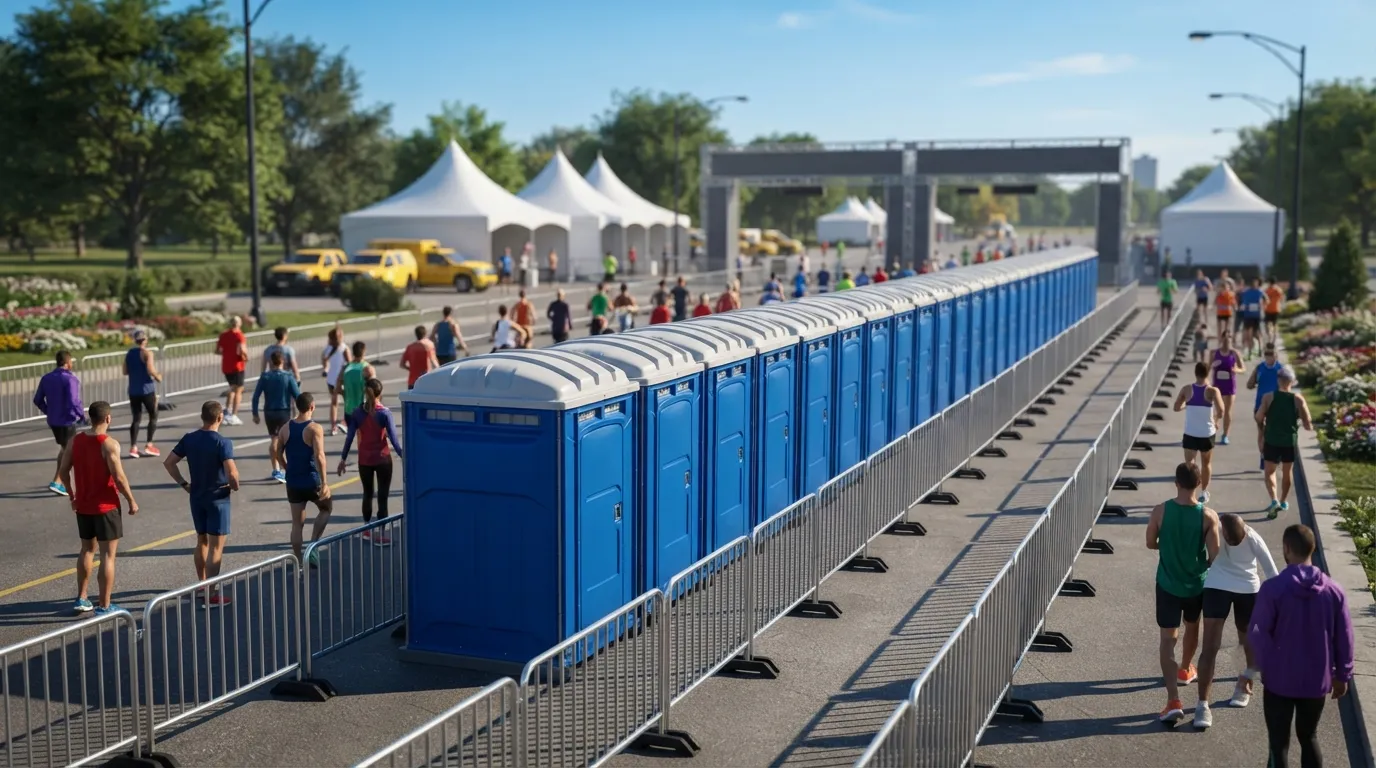
Runners cluster hard at three spots: the start line, the finish chute, and any aid station near a bathroom-adjacent mile mark. Spread units evenly and you will still have lines at mile 1 and empty units at mile 4. Berkeley Porta Pros plans placement around actual pack behavior, not just total headcount, which is the same logic covered in our porta potty placement guide. For a rough starting number, our how many porta potties do I need breakdown walks through ratios by event type. Marathons and half marathons spread runners over miles of Berkeley streets, so you are not serving one crowd, you are serving a moving line of them. Standard units run $200 to $800 for a single event block depending on count and duration, and a same-day emergency porta potty rental is worth knowing about if your registration jumps late. Races that expect a mixed-ability field should also plan for ADA accessible porta potty units at the start and finish, since ADA Standards section 213.2 requires at least 5 percent of any clustered bank of units to be accessible, with a minimum of one no matter how small the cluster.
What restroom setup works best for a marathon course?
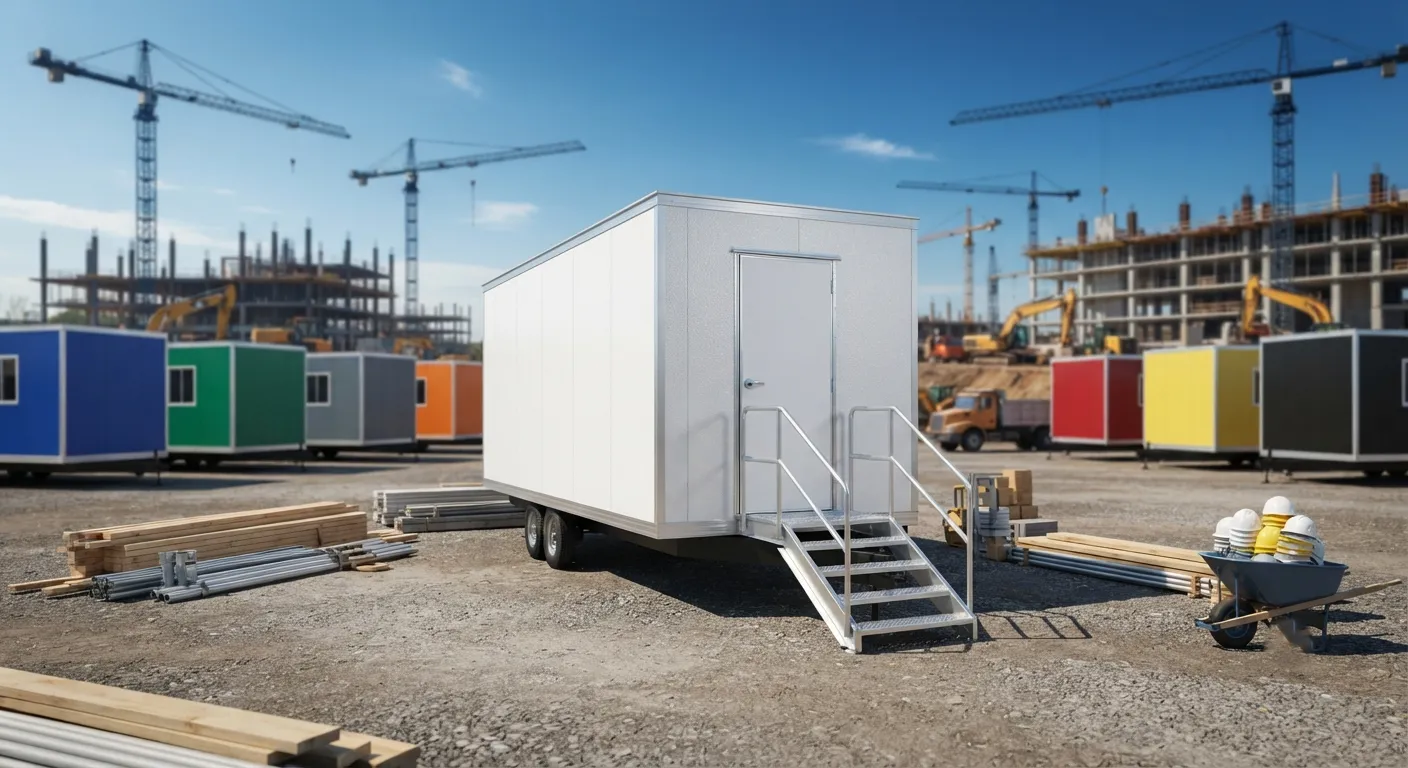
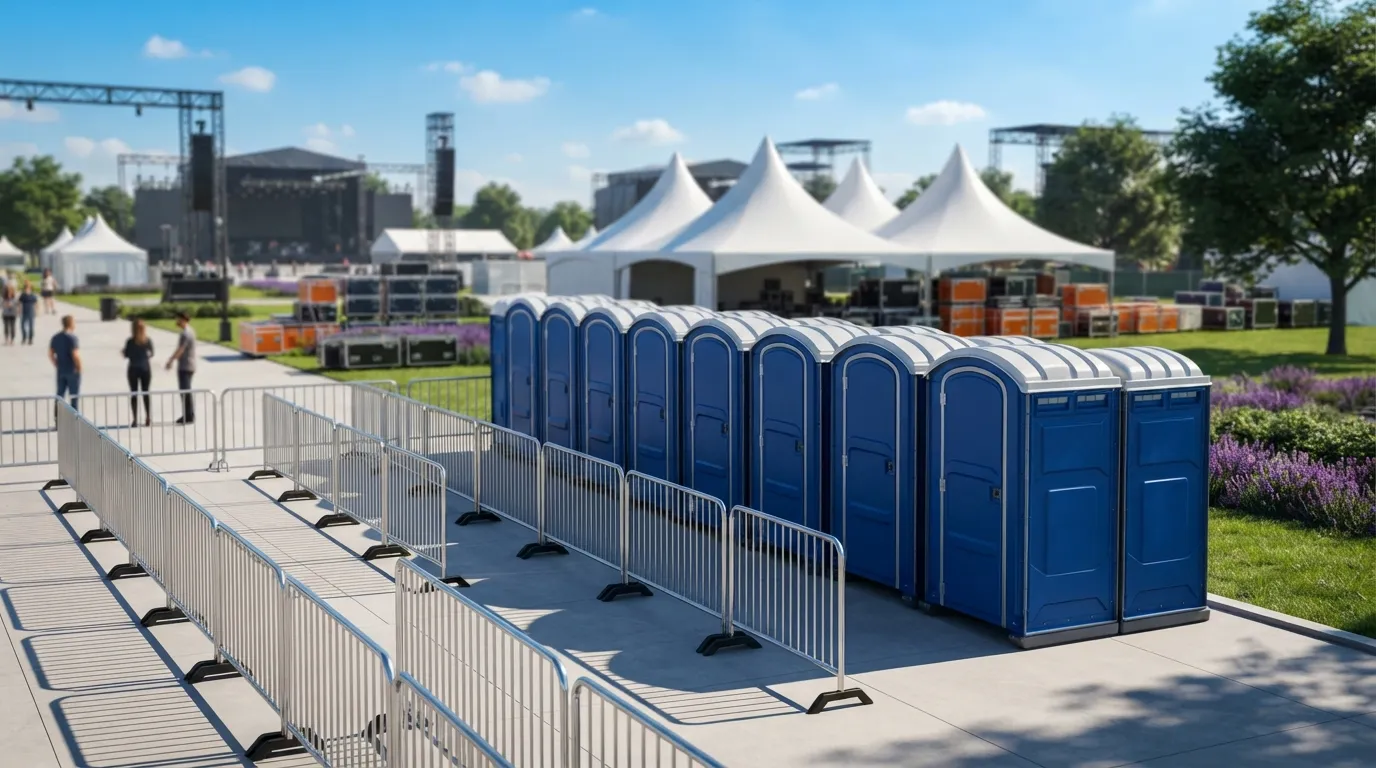
Start corrals need the heaviest density, because a few thousand nervous runners will use the bathroom in the 30 minutes before the gun. Stage your largest bank of standard porta potty rental units there, then thin them out along the route at aid stations. Finish lines need a second heavy cluster, since finishers, families and volunteers are all standing around for hours afterward. For races with VIP tents, sponsor areas or a wedding-adjacent hospitality zone, a deluxe flushable porta potty unit or a full restroom trailer rental reads a lot better in photos than a row of blue boxes. An 8 stall restroom trailer handles a big finish-line crowd without a line ever forming, and a 4 stall restroom trailer fits smaller staging areas where truck access is tight. Every unit needs a level, stable surface, similar to the ADA Standards section 302.1 requirement that ground surfaces be firm and slip resistant, which matters on Berkeley's sloped streets near the hills. If your course finish sits near a power-dependent timing tent or light tower, our crews also handle temporary power pole setup, and knowing how to brace a temporary power pole properly, with guy lines staked wide and away from foot traffic, keeps cables and canopy stakes from becoming a tripping hazard on race morning. Roads closed for the event may also need temporary fence rental or crowd control barrier rental to keep the corral orderly and keep spectators off the timing mats.
Where do restrooms go along a Berkeley race route, and how does delivery work?
Delivery trucks need roughly 60 feet of straight clearance to set units safely, which matters on narrower Berkeley side streets near the course. Our crews scout the route in advance and coordinate drop times around your road closure schedule, usually placing units the evening before or early race morning so nothing blocks street sweeping or barricade crews. If your race route crosses into neighboring cities, we already service Albany, 2.2 miles northwest of Berkeley, and Emeryville, 3.1 miles south, so a course that spans city lines does not mean a second vendor. Units get serviced under the same interval baseline used industry-wide, ANSI/PSAI Z4.3, which sets one service visit per week for up to 10 users over a 40 hour stretch as the standard baseline, though race-day events typically get serviced same-day given the concentrated use. For events pulling from the whole Berkeley area and its runner base, check our event restroom rental page for full logistics, or browse festival restroom rental and concert restroom rental if your race weekend includes a post-run concert or expo. Handwashing matters too: pair units with a handwashing station rental or portable sink rental near any food or aid station, since 29 CFR 1910.141(d)(2) requires soap and towels or a hand-drying device at washing facilities, not just sanitizer.
How far in advance should we book race restrooms?
Book as soon as your permit and route are set, ideally 4 to 6 weeks out for anything over a few hundred runners. Berkeley races often compete for the same delivery windows on big event weekends, so early booking locks your count and your placement plan before units run short.
Can we get restrooms for just the morning of the race?
Yes. Standard units rent by the event and by the weekend, and a short race-morning window is common. Ask about our weekend rate when you request a quote, since a single-morning race often fits that window better than a full weekly rental.
Do we need accessible units at a running race?
Yes. ADA Standards section 213.2 requires at least one accessible unit in any cluster, and 5 percent of a larger bank. Place accessible units at the start and finish where most runners gather, not scattered along the mile markers.
What is the difference between standard units and a restroom trailer for a race?
Standard units cost less and work fine along the course. A restroom trailer has real stalls, sinks and better flow for finish-line crowds or sponsor areas, and it holds up better if your event runs long into the afternoon.
Who handles permits for race-route restroom placement?
Placement in Berkeley's public right of way needs confirming with the city directly, since permit rules vary by route and road closure plan. We can help position units once your permit is approved. Contact us through request a quote or contact to start that conversation early.
Next step
Get a delivery date
Tell us the address, the dates and the headcount. We size the order and confirm the route.