
How Often Does a Septic Tank Need Cleaning?
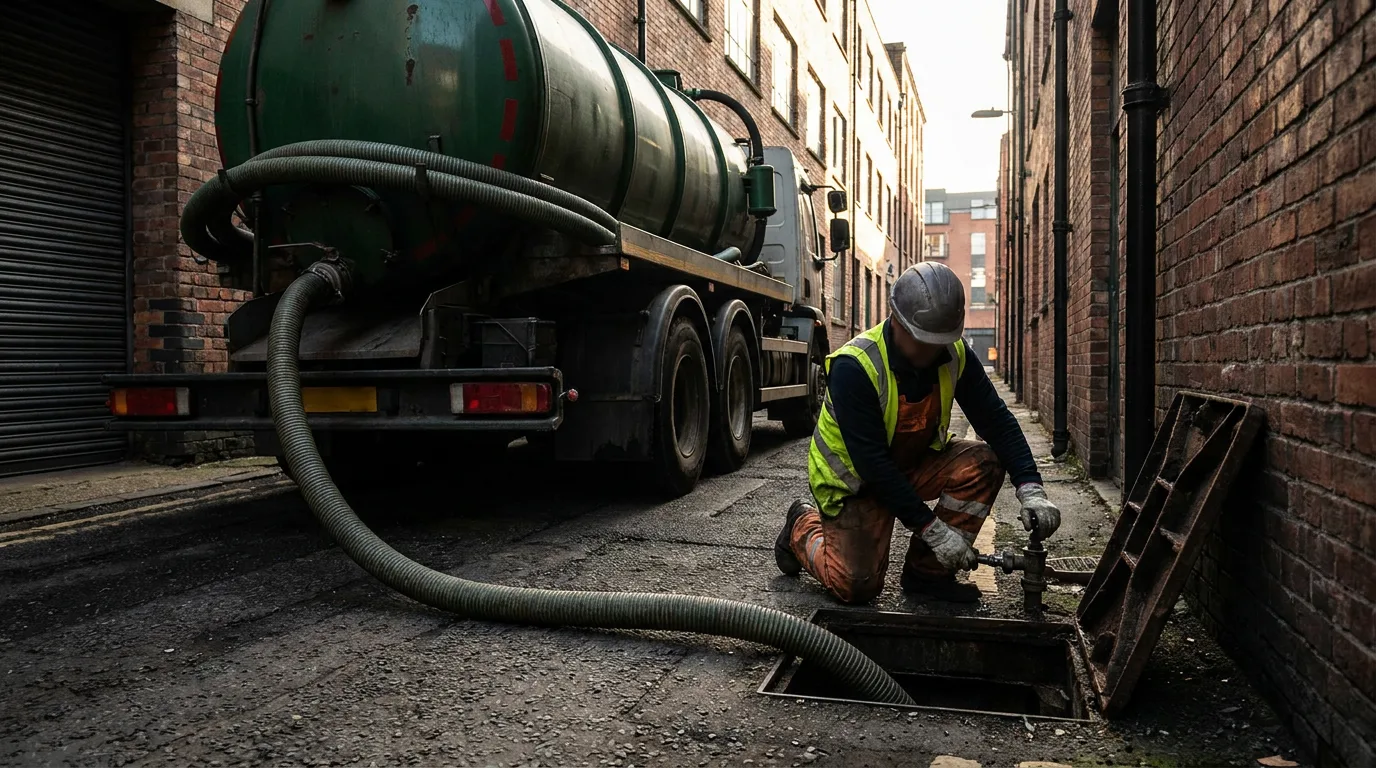
The 3 to 5 year window is a range, not a rule. A larger household pushes more solids into the tank, which shortens the interval. A couple in a two-bedroom Berkeley bungalow might stretch closer to 5 years. A family of six running multiple loads of laundry a day might need septic pumping service closer to every 3. Garbage disposals matter too. They add solids that would otherwise go in the trash, and that fills the tank faster than the schedule assumes. If you've never had septic tank cleaning done and don't know your tank size, that's the first thing to find out. Pull the as-built records if the house has them, or have a pumper measure it during the first visit. Once you know the size and the household count, the interval gets a lot easier to predict, and you stop guessing every time the topic comes up.
What Happens If I Wait Too Long?
Waiting past the recommended interval risks a backup into the house, and that's a mess nobody wants to clean up twice. Solids that aren't pumped out eventually carry into the drain field, where they can clog the soil and cause a failure that costs far more than a pumping visit. Watch for slow drains, gurgling pipes, or standing water near the tank. Our septic tank warning signs page covers what to look for before it turns into an emergency. If it already has, emergency septic service is the faster route than waiting for a routine slot. Berkeley's older neighborhoods often have systems installed decades ago, and age alone is a reason to check sooner rather than assume the standard interval still applies. A tank that's undersized for a remodeled home with more bathrooms added over the years is a common surprise during a first pump-out.
What Does Septic Tank Pumping Cost in Berkeley?
Pricing depends on tank condition, access, and whether it's a routine visit or an emergency call. Here's what a standard septic service call looks like against a same-day or weekend request.
| Service type | Price range |
|---|---|
| Standard pumping visit | $150 to $300 per day |
| Weekend or rush call | $50 to $150 additional |
These numbers cover the pumping itself. If your property also runs a commercial kitchen, note that grease interceptors are a separate system with their own maintenance rule: a grease interceptor gets pumped once fats, oils, grease and solids reach 25 percent of the liquid depth, not on a fixed calendar. See grease trap pumping for that side of things. For a fuller cost breakdown by tank size and access difficulty, check septic tank pumping cost.
Should I Get a Holding Tank Instead During Construction or Renovation?
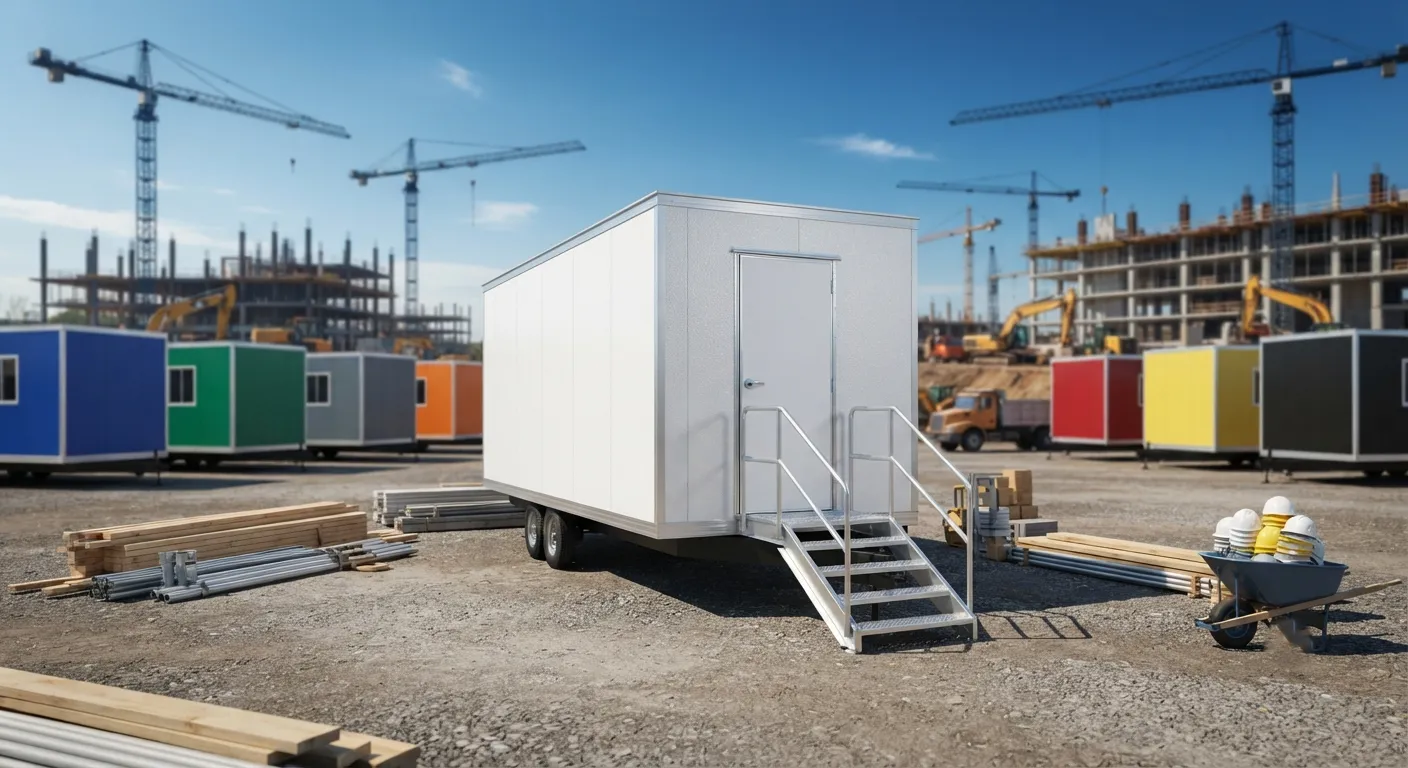
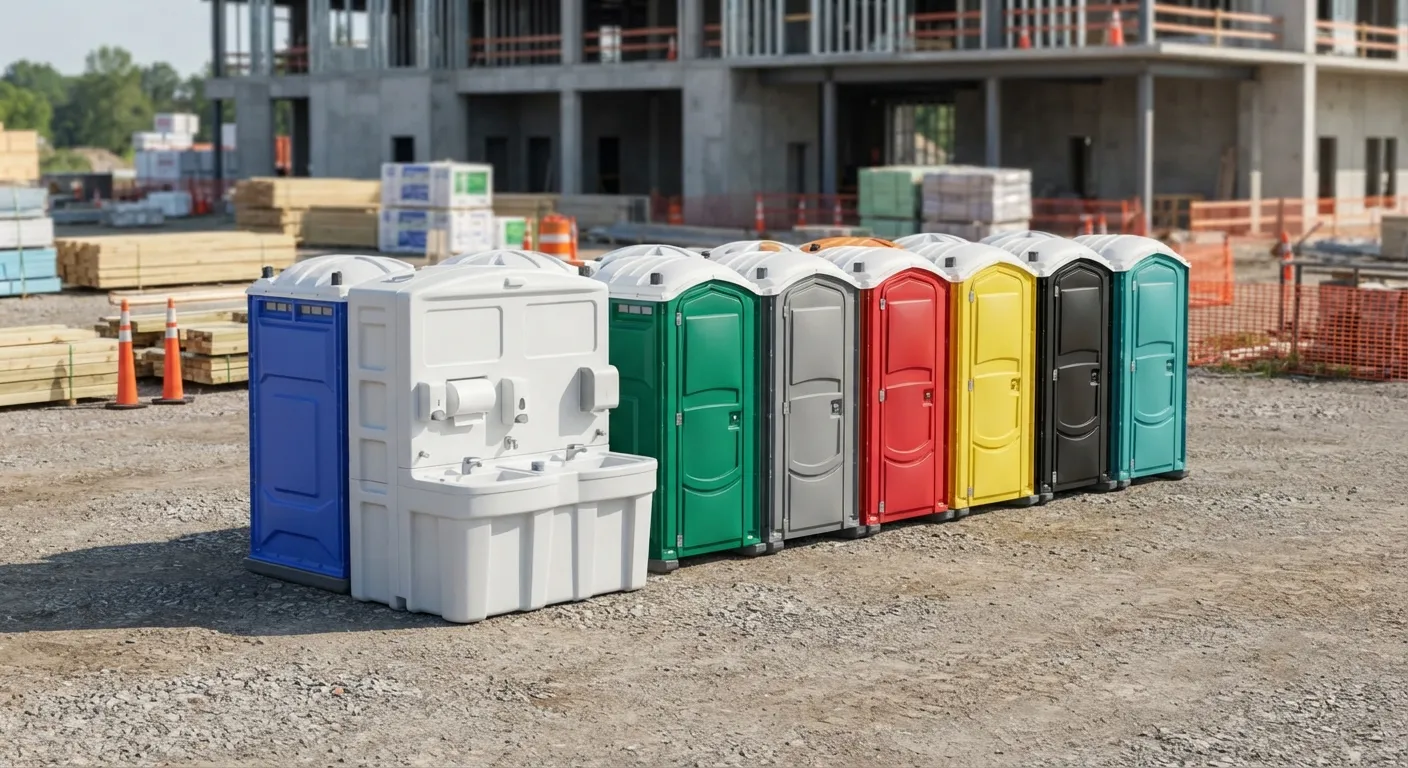
If you're mid-renovation and the septic system is offline, temporary sanitation is the practical fix, not a workaround. A holding tank rental covers wastewater needs while the system is down for repair or replacement, and it's a common setup during a full septic replacement in Berkeley. Pair it with a portable toilet rental for the crew if the house bathroom is offline too, since OSHA 1926.51(c)(1) sets toilet ratios for construction sites: one facility for 20 workers or fewer, scaling up from there. Homeowners doing a bathroom remodel without a full crew on-site often just need one unit for a few weeks; see home renovation porta potty for that scenario specifically. If the job needs a dumpster for demo debris alongside the septic work, roll-off dumpster rental and construction site services both cover that piece, and dumpster permit requirements is worth a look before the container lands on the street.
Berkeley's mix of hillside lots and flat-lot neighborhoods means access varies a lot from one job to the next. A pumper truck needs real clearance to reach the tank, similar to how a roll-off delivery needs about 60 feet of straight clearance behind the truck. Long driveways or steep grades can add time to a visit, so mention access when you book. If you're comparing service radius, Berkeley Porta Pros also serves Albany, 2.2 miles northwest, and Emeryville, 3.1 miles south, along with El Cerrito at 5.3 miles north. For the full list, see service areas.
How do I know my septic tank size?
Check the property's as-built records or septic permit file first. If those aren't available, a pumper can measure the tank during a routine visit and record it for next time. Knowing the size makes future scheduling far more accurate than guessing.
Does a garbage disposal change the pumping schedule?
Yes. A disposal sends more solids into the tank than a household without one, which shortens the interval. If you use one daily, plan on pumping closer to every 3 years instead of 5.
What is the difference between septic pumping and septic cleaning?
Pumping removes the liquid and solids from the tank. Cleaning goes further, scraping and rinsing the tank walls and baffles. Most routine visits are pumping; full cleaning is done less often, usually when there's buildup or an inspection calls for it.
Can I pump my own septic tank?
Technically possible, but not recommended. Proper disposal of septic waste requires a licensed hauler, and DIY pumping risks damage to the tank, the lids, or the drain field if done wrong. A professional visit is faster and safer.
How long does a septic pumping visit take?
Most residential pumping visits take under an hour once the truck is on-site, depending on access and tank condition. Tight driveways or buried lids add time. Booking ahead with clear access notes keeps the visit quick.
Next step
Get a delivery date
Tell us the address, the dates and the headcount. We size the order and confirm the route.