
How Do Porta Potties Work?
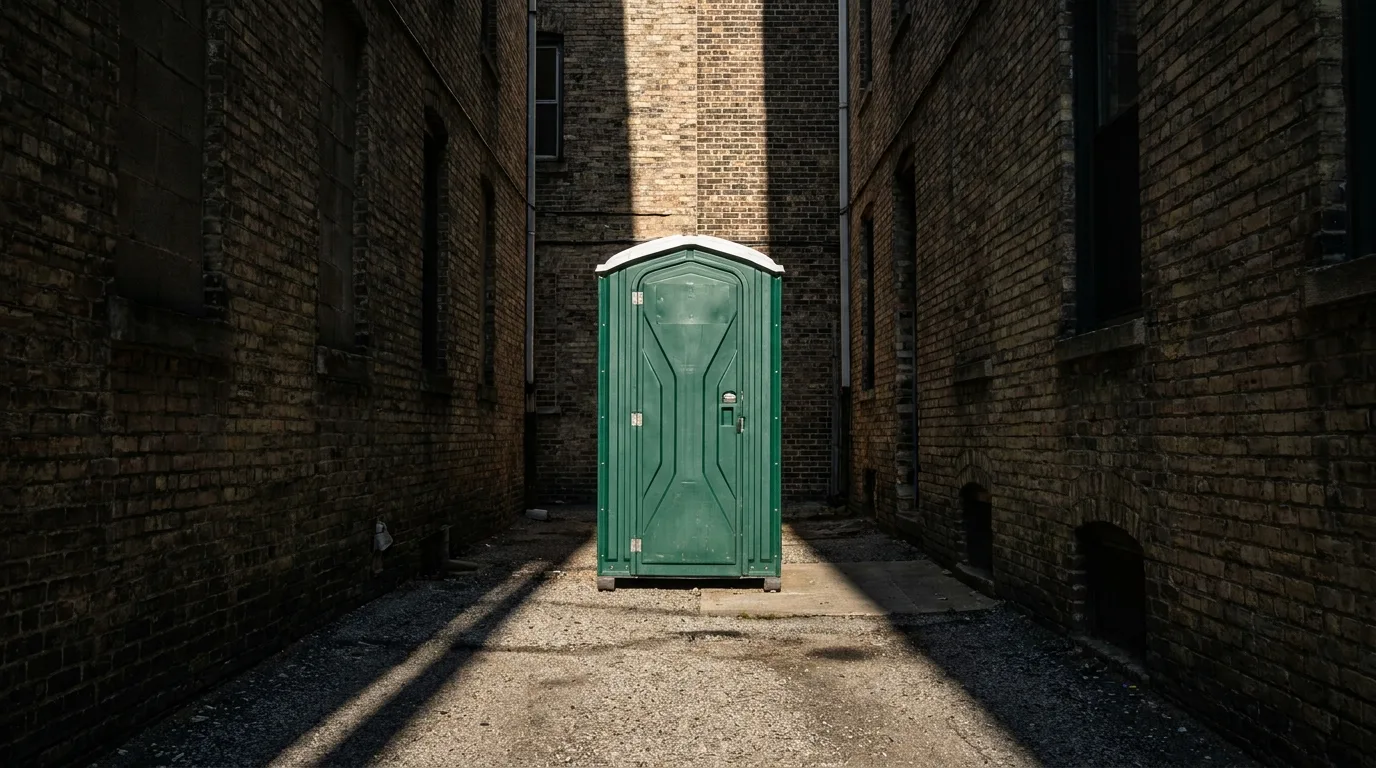
Under the seat sits a holding tank, and that tank is the whole system. Waste drops in, mixes with a blue deionizing chemical, and stays sealed until a service truck pumps it out. There is a vent stack for odor control and a tank sized around 60 to 70 gallons on a standard porta potty rental. No water comes in, so nothing can back up or freeze solid the way a house line does. A construction worker running to a porta potty on a Berkeley job site just needs the unit close enough to matter. That is why placement gets planned before delivery, not after, something we cover on the porta potty placement guide. Service crews follow roughly the ANSI/PSAI Z4.3 baseline interval, one visit a week for up to 10 users over a 40 hour week, though busier sites need more frequent stops. If you are budgeting a job near downtown Berkeley, the porta potty rental cost page breaks down day, week, and month pricing so you are not guessing.
How Do Flushable Porta Potties Work?
A deluxe flushable unit works like the standard tank system, but it adds a small onboard water reservoir and a foot pump or flush handle that pushes a rinse of water into the bowl after each use. It still drains into the same sealed holding tank underneath, it just feels closer to a real bathroom. These units run wider price ranges depending on features, and the deluxe flushable porta potty page has the specifics. Weddings and small private events around Berkeley often choose this option over a standard unit, since guests notice the flush even if the tank underneath is doing the same job. For anyone comparing options for a backyard party or wedding restroom rental, the flushable line usually pairs well with a handwashing setup, since ADA Standards 213.2 requires at least one accessible unit when portable toilets are clustered together, and having a sink nearby helps every guest, not just those using the accessible stall.
How Does a Portable Sink Work?
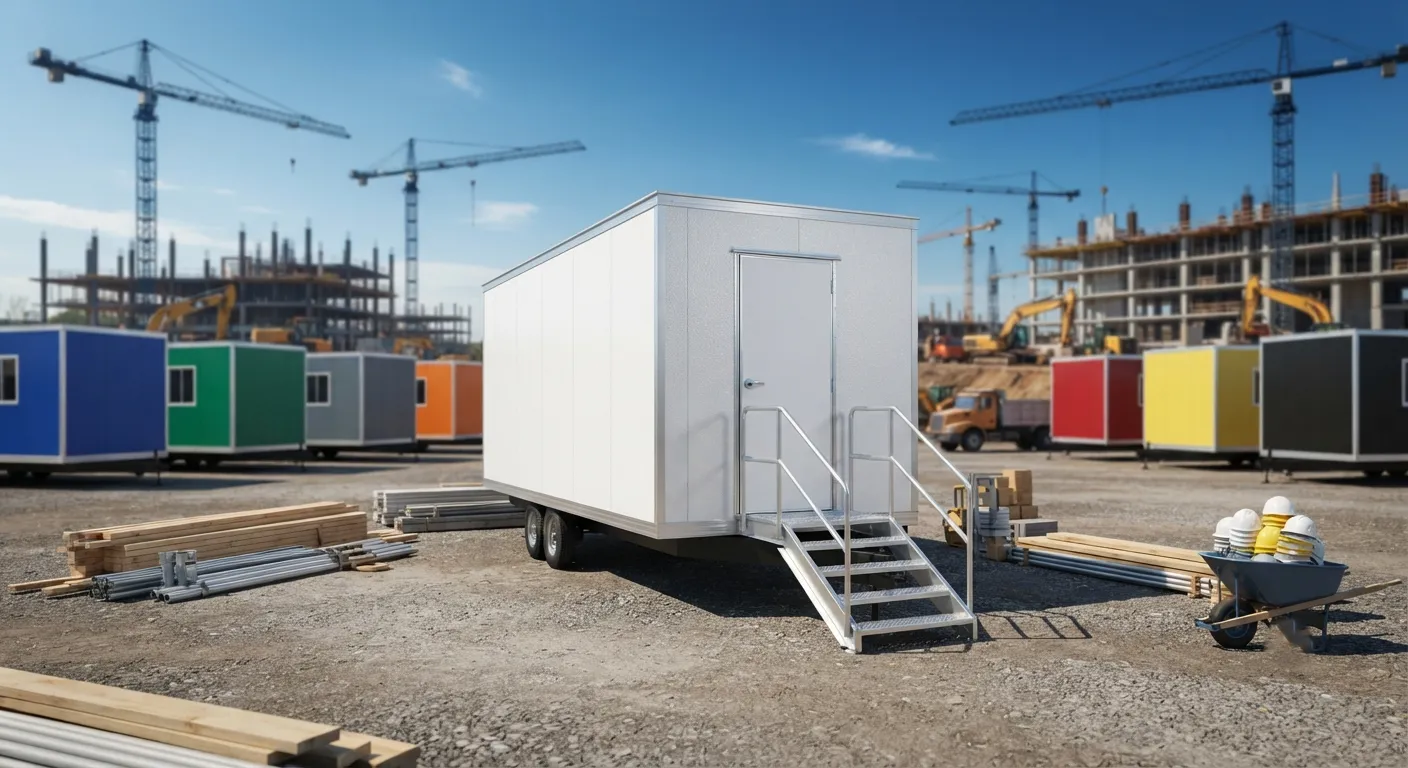
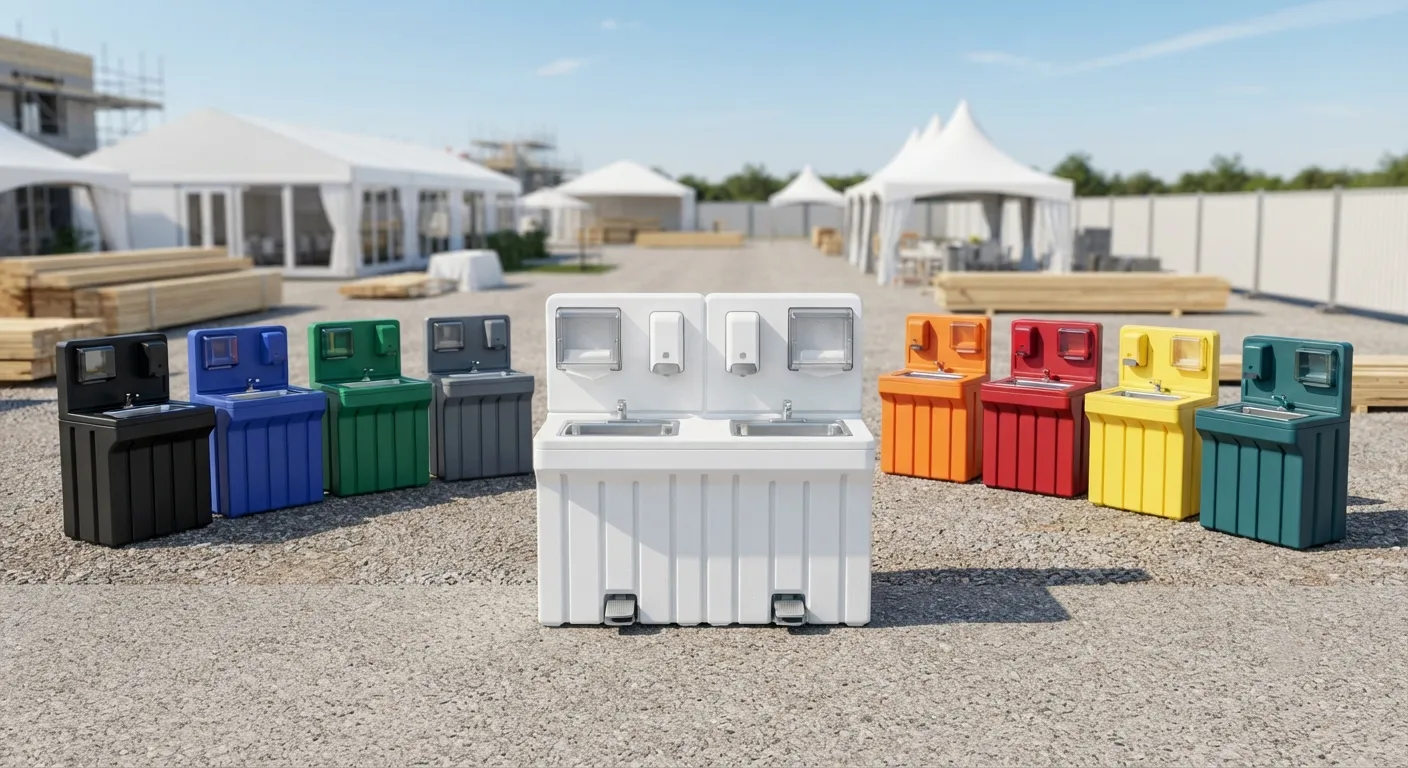
A portable sink carries its own fresh water tank, usually gravity fed or foot pumped, and drains into a separate wastewater tank underneath. No pipes, no hookup. Soap and paper towels sit in built-in dispensers, which matters because 29 CFR 1910.141(d)(2) requires soap and towels or a hand-drying device at washing stations, not hand sanitizer alone. Job sites doing paint, coatings, herbicide, or insecticide work need this kind of washing facility under OSHA 1926.51(f)(1), which specifically covers those contaminant tasks, not general hand cleaning. A handwashing station rental or standalone portable sink rental covers that requirement without running a hose to the nearest building. Some crews add a hand sanitizer station rental as backup, but it does not replace the soap-and-water requirement on a covered task. For general sanitation minimums on a Berkeley construction site, OSHA 1926.51(c) sets the toilet ratio, and our OSHA portable toilet requirements page walks through the worker counts.
How Do Camping Porta Potties Work?
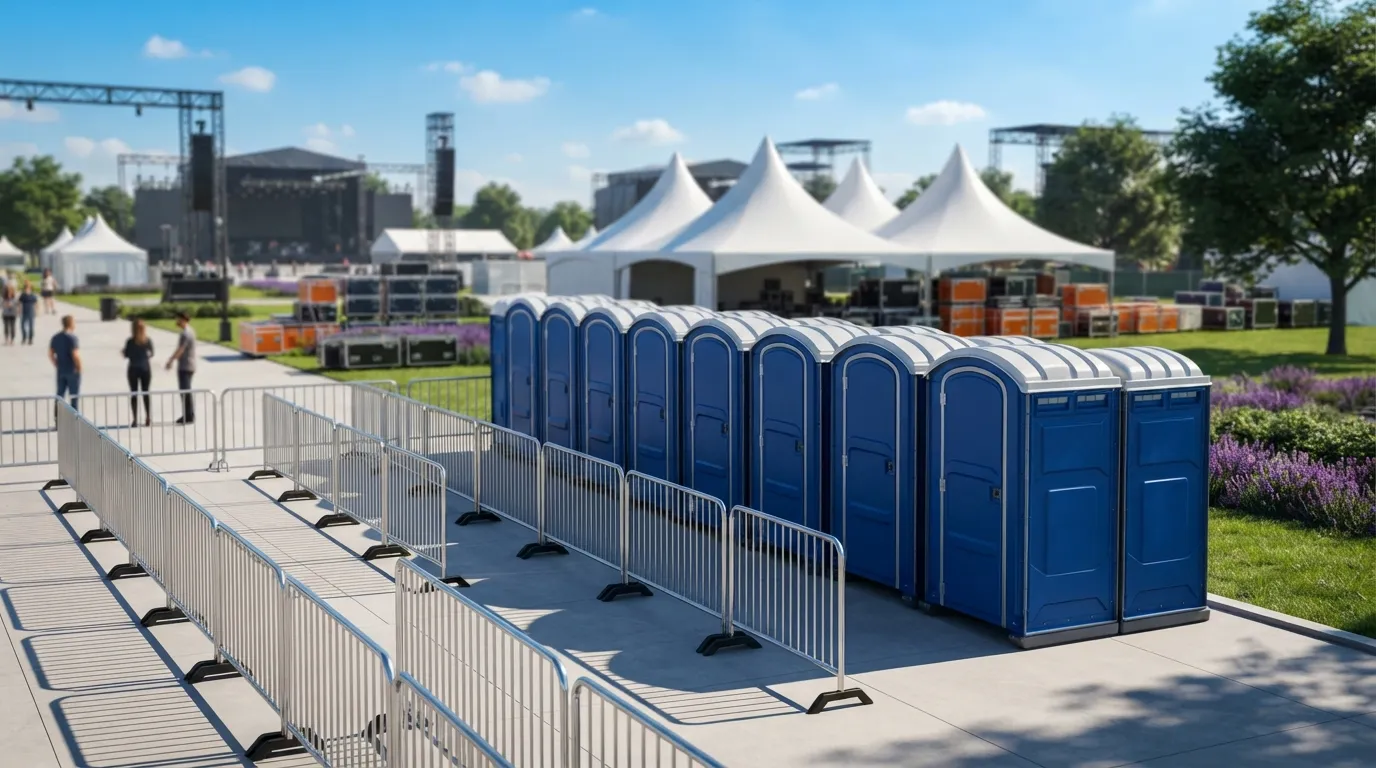
Camping units work the same way as job site ones, just smaller and easier to move by hand. The holding tank is the same basic idea, sealed, chemically treated, pumped out between uses. For a weekend campout or an outdoor gathering near Tilden Park, a standard unit rents for a flat weekend rate that beats renting by the day. Distance matters for delivery. A crew coming from Berkeley out toward Albany, about 2.2 miles northwest, or El Cerrito, 5.3 miles north, factors drive time into scheduling, though delivery fees stay within a set range regardless of exact mileage. If you are stocking a campsite or a multi-day outdoor event, check the camping porta potty page, and if the event is bigger than a weekend, the monthly porta potty rental option often costs less per day than renting week to week.
Pricing Snapshot
| unit | day | week | month |
|---|---|---|---|
| standard | $100-$350 | $130-$500 | $125-$325 |
| ada | $200-$400 | $240-$400 | n/a |
| deluxe | $85-$1200 | $150-$290 | n/a |
A standard unit over a weekend runs $125 to $400 depending on the job, separate from the day and week columns above. Delivery fees run $50 to $150 for a week-long rental, and most Berkeley sites get billed that way rather than per unit. See the full porta potty rental per day breakdown for shorter jobs.
How often does a porta potty get serviced?
Most units get pumped and restocked once a week under the ANSI/PSAI Z4.3 baseline, built for up to 10 users across a 40 hour week. High-traffic sites or events need two or three visits a week. Our how often are porta potties cleaned page has the specifics by use case.
What chemicals go in a porta potty?
A blue deodorizing and deionizing chemical goes into the tank at setup. It breaks down waste, controls odor, and keeps the tank from foaming during transport. This is different from septic tank cleaning chemicals used in a home system, which target bacteria levels in a 1,000 gallon tank over years, not days.
Do porta potties smell?
They can, especially in heat or with low service frequency, but a well-serviced unit with fresh chemical and a clear vent stack should not smell strongly. Full details on odor control sit on the do porta potties smell page.
Are porta potties ADA accessible?
Some are. ADA Standards 213.2 requires at least one accessible unit when several are grouped together, with a 60 inch turning circle inside per ADA Standards 304.3.1. The ADA accessible porta potty page covers unit specs and pricing.
Can I rent a porta potty for just one day?
Yes. Day rentals exist for short jobs, home projects, or one-day events, and pricing sits in its own bracket separate from weekly rates. Check porta potty rental per day for the current range before booking.
Next step
Get a delivery date
Tell us the address, the dates and the headcount. We size the order and confirm the route.